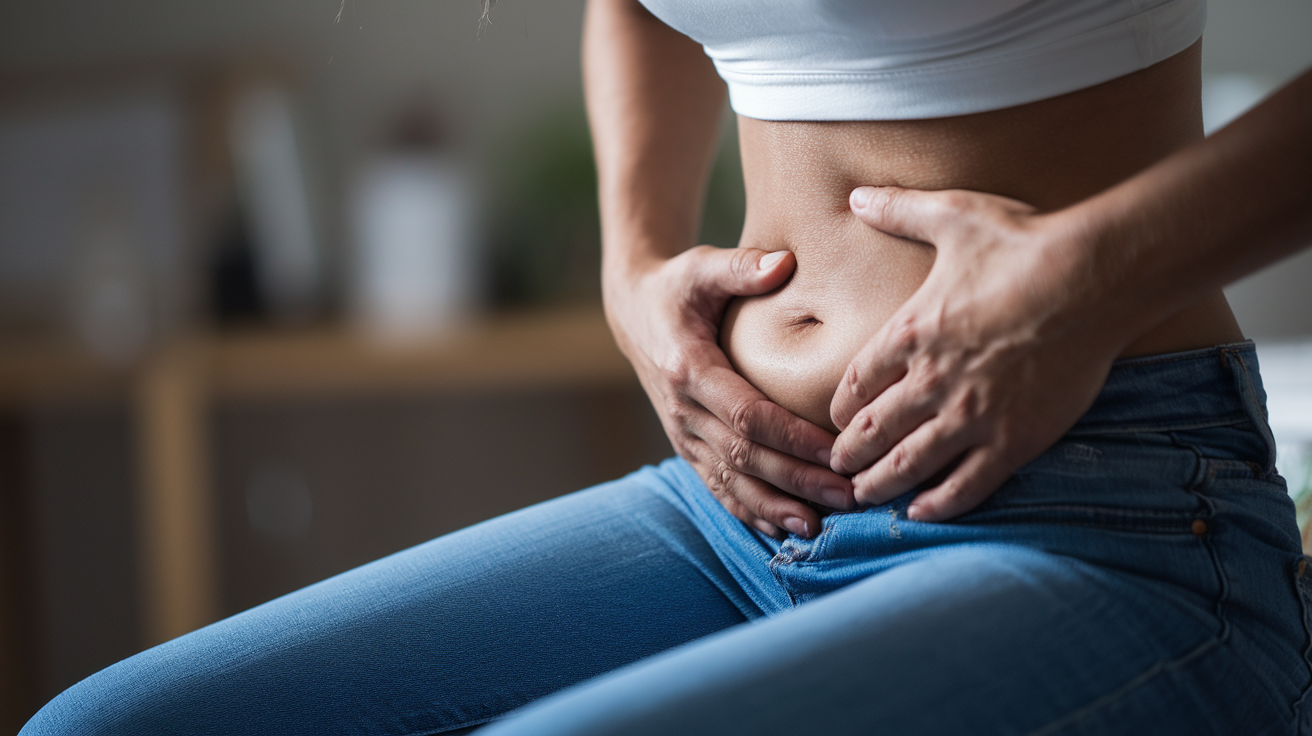
From One Woman to Another: A Letter of Support for Endometriosis
If you’re here, reading this with tired eyes and a heavy heart, know that I see you. The journey through endometriosis and pregnancy is one filled with questions, frustrations, and silent battles that too many women face alone. But the truth is — you are not alone, and there is space here for your story, your strength, and your healing.
What Is Endometriosis and Why Does It Affect Fertility?
Endometriosis is a chronic condition where tissue similar to the lining of the uterus, known as endometriosis tissue, grows outside of it, often on the ovaries, fallopian tubes, or other pelvic organs. Endometriosis involves endometrial cells or endometrial-like tissue growing outside the uterus, which can respond to hormonal changes and cause inflammation.
This endometriosis tissue can cause blockages in the fallopian tube, impacting the ability of the egg and sperm to unite and ultimately hindering the chances of conception. Studies show that 30% to 50% of women with endometriosis experience infertility (source: ASRM) — a heartbreaking statistic that highlights how common yet misunderstood this journey really is. These misplaced tissues can cause inflammation, adhesions, and scarring, all of which can disrupt the delicate process of ovulation, fertilization, or implantation. Developing endometriosis can lead to complications such as infertility and may worsen over time, further affecting reproductive health. Endometriosis is an often-painful condition that affects an estimated 5%-10% of women and adolescents of reproductive age.
Endometriosis Symptoms
Endometriosis symptoms can vary widely, making each woman’s experience unique. The most common symptom is pelvic pain, which can feel like a sharp, stabbing, or burning sensation in the lower abdomen, often intensifying during menstruation. Chronic pain is a significant complication of endometriosis that affects daily life and overall well-being. This pain can be debilitating, interfering with daily activities and overall quality of life.
Heavy or irregular menstrual bleeding is another hallmark of endometriosis. Women may experience prolonged or heavy bleeding during their menstrual periods, which can be both physically and emotionally draining. Infertility is also a significant concern, as endometrial implants or scar tissue in the fallopian tubes can make it difficult to conceive.
Painful bowel movements are a less commonly discussed but equally distressing symptom. Many women report discomfort or pain during bowel movements, especially during their menstrual cycle. Abdominal pain, cramping, and tenderness are also frequent complaints, adding to the overall burden of the condition. Irritable bowel syndrome can cause similar symptoms such as diarrhea, constipation, and stomach cramps, and may coexist with endometriosis, complicating diagnosis.
Severe pain that disrupts daily life is a reality for many women with endometriosis. Endometriosis pain often requires ongoing management due to the lack of a cure, and pain from endometriosis may worsen over time, further compounding the challenges faced by those living with this condition. This pain can be so intense that it becomes challenging to perform everyday tasks, leading to a significant impact on mental health and well-being.
Other symptoms may include bloating, nausea, fatigue, mood changes, painful urination, and pain during or after sexual intercourse, which is a common symptom. It’s important to note that while some women may experience severe symptoms, others may have mild or no symptoms at all, making endometriosis a highly individualized condition. Common additional symptoms of endometriosis include fatigue, constipation, bloating, and nausea, especially during periods.
Diagnosing Endometriosis
Diagnosing endometriosis can be a complex and often frustrating process, as its symptoms can mimic those of other conditions. A clinical diagnosis of endometriosis is often made based on symptoms, medical history, and physical exam findings. A thorough medical history is the first step, where a healthcare provider will review your symptoms, menstrual cycles, and overall medical history to identify patterns that may suggest endometriosis. Endometriosis often goes undiagnosed or misdiagnosed for years due to varying symptoms that may mimic other conditions.
A physical exam is a key step in the diagnostic process, typically performed next, allowing the doctor to check for any tenderness, pain, or abnormalities in the pelvic area. While this exam can provide clues, it is not definitive. Imaging tests such as ultrasounds or magnetic resonance imaging (MRI) may be used to visualize the pelvic organs and identify endometrial implants, but these methods also have limitations.
The most definitive way to diagnose endometriosis is through laparoscopy, a minimally invasive surgical procedure. During this procedure, a small camera is inserted into the abdominal cavity, allowing the surgeon to directly visualize and confirm the presence of endometrial implants. The surgeon examines the abdominal cavity to identify and biopsy endometrial tissue. A biopsy, where a tissue sample is taken during laparoscopy, can further confirm the diagnosis. Surgery is required to definitively diagnose endometriosis, as symptoms and imaging alone cannot provide absolute confirmation.
Given the challenges in diagnosing endometriosis, it’s essential to work with a knowledgeable healthcare provider who can guide you through the process and ensure an accurate diagnosis. Having endometriosis diagnosed accurately is crucial for appropriate management and treatment.
What is the best way to treat endometriosis?
Medicines for the treatment of endometriosis range from pain relievers to hormonal therapies such as birth control and birth control pills, which are used to manage symptoms and regulate menstrual cycles. The treatment of endometriosis may involve a combination of medical management and surgical procedures. While there is no cure, endometriosis is treated with various approaches to alleviate symptoms and improve fertility.
Surgical treatment options include both laparoscopic and open surgical procedures, which can be used for the removal and destruction of endometriosis tissue. These surgical methods play a key role in symptom relief and fertility management.

Endometriosis, Pelvic Pain, and Pregnancy Challenges
Trying to conceive with endometriosis often feels like a series of hopeful highs followed by crushing lows. Even when pregnancy does occur, women with moderate to severe endometriosis may face an increased risk of complications such as miscarriage, preterm birth, or placenta issues (source: NIH). It’s not just the physical pain — it’s the emotional rollercoaster that no one prepares you for, and the feeling of isolation when your journey doesn’t follow a straight path.
Real Stats Every Woman Should Know About Endometriosis Symptoms
According to research, women with endometriosis take significantly longer to get pregnant compared to those without the condition. In fact, a 2020 study published in Human Reproduction found that it can take twice as long for women with endometriosis to conceive naturally. Additionally, IVF success rates can also be slightly lower for women with moderate to severe cases, adding another emotional layer to an already exhausting process.
What are 4 symptoms of endometriosis?
Endometrius is an acute condition involving bowel and bladder problems, constipation, bloating and nausea. Ovarian cysts and ovarian cancer can present with similar symptoms and should be considered in the differential diagnosis. Depending on how you feel, your doctor can give you advice about the possible causes of the symptoms. July 30 2024.
Risk Factors and Causes
While the exact cause of endometriosis remains unknown, several risk factors and potential causes have been identified. A family history of endometriosis significantly increases the likelihood of developing the condition, suggesting a genetic predisposition. Hormonal imbalances, particularly those involving estrogen, may also play a role in the growth of endometrial tissue outside the uterus.
Genetic factors are believed to make some women more susceptible to endometriosis, while environmental factors, such as exposure to certain toxins or chemicals, may increase the risk. Retrograde menstruation, where menstrual blood flows back through the fallopian tubes into the pelvic cavity, is another potential cause, as it may contribute to the growth of endometrial tissue in abnormal locations.
Other risk factors include early onset of menstruation, delayed childbearing, nulliparity (never having given birth), a history of pelvic surgery or pelvic inflammatory disease, and low body mass index. It’s important to note that endometriosis can affect any woman, regardless of age or reproductive history, making awareness and early detection crucial.
Understanding these risk factors and potential causes can help in managing and treating endometriosis, providing hope and support for those affected by this challenging condition. Reproductive medicine plays a key role in diagnosing and managing endometriosis, especially for individuals experiencing fertility challenges.
What This Journey Feels Like — And Why That Matters
Endometriosis isn’t just a medical condition — it’s an emotional, physical, and mental burden that impacts your everyday life. The unpredictable flare-ups, the appointments, the unanswered questions — they all take a toll that’s hard to explain. So if you’ve ever cried quietly after another negative test, or felt broken when others around you get pregnant effortlessly — please hear this: you are whole, and you are doing the best you can.
Impact on Daily Life: Navigating Work, Relationships, and Self-Care
Living with endometriosis means facing challenges that go far beyond the physical symptoms. Chronic pelvic pain, painful periods, and heavy menstrual bleeding can make even the simplest daily tasks feel overwhelming. Many women find that endometriosis symptoms disrupt their work life, making it difficult to focus or keep up with responsibilities during flare-ups. Relationships can also be affected, as the unpredictability of pain and fatigue may lead to canceled plans or misunderstandings with loved ones.
Managing chronic pelvic pain often requires a combination of hormone therapy, pain medications, and self-care strategies. It’s important to listen to your body and give yourself permission to rest when needed. Open communication with your health care team is essential—they can help you develop a personalized plan to manage symptoms and improve your quality of life. Prioritizing self-care, whether through gentle exercise, mindfulness, or simply taking time for yourself, can make a significant difference. Remember, you are not alone in this journey, and seeking support from friends, family, or support groups can help you navigate the emotional ups and downs of living with endometriosis.
Pregnancy Is Possible with Endometriosis and Scar Tissue
While endometriosis can make the path to pregnancy more complicated, it does not make it impossible. Scar tissue and endometrial tissue growth can sometimes affect the fallopian tube or ovaries, but advances in fertility treatment offer real hope. Options like in vitro fertilization (IVF) can help overcome some of the barriers caused by endometriosis, giving many women the chance to build the family they dream of.
If you’re considering pregnancy, it’s important to have an open conversation with your health care team about your reproductive goals. They can guide you through medical therapy and fertility treatment options tailored to your unique situation. With the right support and a personalized treatment plan, many women with endometriosis go on to have healthy pregnancies. Remember, your journey may look different from others, but with persistence and the right care, pregnancy is possible—even in the presence of scar tissue and endometrial tissue.

Pregnancy *Is* Possible with Endometriosis and Scar Tissue
Yes, endometriosis complicates things — but it does not mean pregnancy is impossible. Various treatments can help treat endometriosis and improve the chances of conception, including pain medications, hormone therapy, and surgical options. Many women with this condition do go on to have healthy, full-term pregnancies with the right care and support. Whether through natural conception, fertility treatments, or IVF, hope still lives here — even if the path is winding and slow.
You’re Not Alone — And You Never Were
One of the hardest parts of living with endometriosis and pregnancy struggles is feeling like you’re the only one going through it. But truthfully, 1 in 10 women suffer from this condition — across all ages, all backgrounds, all stages of life (source: Endometriosis.org). Behind every statistic is a woman like you, searching for answers and hoping for healing.

A Gentle Reminder for Your Heart
This journey can be long. It can feel unfair, uncertain, and endless. But please remember — you are not weak for feeling tired, you are strong for continuing anyway.
Whether you’re 25 or 42, just starting your TTC journey or years in — your experience matters. And while endometriosis and pregnancy may feel like a never-ending cycle of trying, waiting, and recovering — you are never alone. You are part of a sisterhood of women who understand, who support, and who stand with you.
📚Helpful Resources & References to Treat Endometriosis
- 👉 NIH Study on Endometriosis and Pregnancy Outcomes
- 👉 Endometriosis.org – Global Support & Education
Conclusion and Next Steps: Moving Forward with Hope
Endometriosis is a chronic disease, but it does not define who you are or what you can achieve. By understanding your risk factors, recognizing symptoms, and exploring the full range of medical treatments available, you can take proactive steps to manage your health and improve your quality of life. Staying informed about new research and treatment options, and maintaining a strong relationship with your health care team, empowers you to make the best decisions for your body and your future.
Self-care and support from loved ones are just as important as medical therapy in managing endometriosis. Remember, you are resilient, and you have the strength to face the challenges ahead. Don’t hesitate to reach out to your health care team to discuss your treatment options and create a plan that fits your needs and goals. With hope, support, and the right resources, you can move forward confidently—knowing that endometriosis is just one part of your story, not the whole of it.
You May Also Like:
- 👉 What Does a Faint Line on a Pregnancy Test Mean?
- 👉 Top 5 Early Signs of Pregnancy You Shouldn’t Ignore
- 👉 How to Track Ovulation and Boost Your Chances of Getting Pregnant
- 👉 Trying to Conceive? Here’s Your Ultimate Fertility Checklist
- Complete IVF Process




You must be logged in to post a comment.