Need to apply for an IVF grant? This guide, informed by insights from a board-certified reproductive endocrinologist, walks you through the entire IVF grant application process, including eligibility requirements and available grants. Learn how to find financial support for your fertility treatments.
Key Takeaways
- IVF grants provide essential financial support to individuals and couples facing costly fertility treatments, with options for full and partial funding based on specific criteria.
- Eligibility for IVF grants varies by income, medical diagnosis, and geography, so it’s crucial to thoroughly understand the requirements for each grant before applying.
- Sharing personal success stories in grant applications can enhance emotional appeal and improve chances of funding approval, while public advocacy helps raise awareness and support for IVF initiatives.
Understanding IVF Grants

IVF grants are designed to provide financial assistance to individuals and couples facing the high costs of fertility treatments. These grants can significantly alleviate the financial challenges associated with IVF treatments, making them more accessible to a broader range of people. These grants help cover various expenses, such as medications, egg retrieval, and embryo transfer, making the fertility journey more manageable for families.
There are multiple grants available, each with its unique criteria and benefits. Some cover the full cost of an IVF cycle, while others offer partial funding to offset certain expenses. To find the right support, it’s important to understand the different types of grants and their specific eligibility requirements.
Types of IVF Grants
IVF grants come in various forms, each tailored to address different aspects of the IVF process. Full cycle funding grants, for example, cover all necessary expenses associated with a complete IVF cycle. Organizations like the Nest Egg Foundation and the Baby Quest Foundation provide full cycle funding, which can range from $2,000 to $16,000 and cover all essential procedures and medications.
Partial funding grants, on the other hand, provide assistance with specific parts of the IVF process. The Cade Foundation offers up to $10,000 for comprehensive family building options, while the Bob Woodruff Foundation provides up to $5,000 in grants specifically for military veterans. Other organizations, like Hasidah, offer grants ranging from $5,000 to $15,000 to support recipients with partial funding for fertility treatments.
There are also grants aimed at helping with medication costs. The Gift of Parenthood grant, for example, covers expenses for IVF-related treatments, including egg and sperm donation. Additionally, the Sparkles of Life program, in collaboration with the Houston Fertility Institute, provides steep discounts on medications, offering up to five discounted IVF cycles per year. These various types of fertility treatment grants provide critical financial assistance to Shady Grove fertility patients, making fertility treatments more accessible to those in need.
Eligibility Criteria
Eligibility for IVF grants can depend on a variety of factors, including income, medical diagnosis, and geographic location. Many grants have income limits, often ranging between $50,000 and $100,000 per year, although some grants are open to applicants regardless of their financial status. Additionally, a medical diagnosis of infertility is often required to qualify for these grants.
Other eligibility criteria can include age and location. Some grants are region-specific, limited to individuals living in certain states or specific counties. Thoroughly review the eligibility requirements for each grant to ensure you meet the criteria before applying.
Regional Limitations on IVF Grants

When applying for IVF grants, it’s crucial to understand the regional limitations that may affect your eligibility. Some grants are only available to residents of particular states, which can narrow the pool of applicants significantly. For instance, grants available in New York may not be accessible to someone living in Texas. This geographic specificity can be both a challenge and an opportunity, depending on where you reside.
National grants, on the other hand, allow applicants from anywhere in the U.S. to apply, making them accessible to a broader audience. Knowing the differences between national and local grants helps in effectively navigating the IVF grant application process. Always check the specific eligibility requirements based on your geographic location to ensure you are applying for the right grants.
State-Specific Grants
State-specific grants are designed to provide financial assistance to residents of particular states. For example, the New York State Infertility Reimbursement Program offers support to insured patients who meet specific eligibility criteria, especially those with partial or no insurance coverage. Similarly, the Chicago Coalition for Family Building provides grants to residents of Illinois, Wisconsin, Iowa, Indiana, and Missouri.
In North Carolina, the Pay it Forward Foundation supports funding for fertility treatments for couples with failed procedures, fertility preservation, and treatment for military personnel and cancer patients. Meanwhile, Sarah’s Laughter in Baton Rouge offers a grant of $10,000 to eligible applicants.
Other examples include the Fertility Foundation of Texas, which awards grants up to $12,000 twice a year, and the Busch Foundation, which offers grants to residents of North Carolina treated at REACH Fertility in Charlotte. Each state-specific grant has unique criteria and benefits, so it’s essential to research thoroughly to find the right one for your needs, including the jfcs fertility fund. Some state-specific grants also provide financial assistance for domestic adoption, making family-building more accessible for those facing infertility.
National vs. Local Grants
National grants are available to a wider audience, allowing applicants from any part of the U.S. to apply. These grants are often more competitive due to the larger pool of applicants, but they provide a broader range of opportunities for those who qualify. Examples include grants from organizations like the Cade Foundation and the Baby Quest Foundation, which are open to applicants nationwide.
Local grants, on the other hand, are restricted to specific geographic areas and are accessible only to residents within those regions. While these grants may have a smaller applicant pool, they offer valuable support to those who meet the regional eligibility requirements.
Knowing the differences between national and local grants can help you navigate the application process and improve your chances of receiving financial assistance.
Full Funding vs. Partial Funding: Financial Assistance Options

IVF grants can vary significantly in their coverage, with some fully financing the treatment costs while others only provide limited financial support. Grants that fully cover the cost of an IVF cycle can alleviate the financial burden entirely, making the process more accessible to those who may not have the means to afford it otherwise.
Partial funding grants, however, offer assistance with specific parts of the IVF process. These grants may cover some costs but leave applicants responsible for additional expenses such as medications or ancillary services. Knowing the difference between full and partial funding options helps in effectively managing the financial aspects of your fertility journey.
Full Cycle Coverage
Full cycle coverage grants typically include all necessary expenses associated with an IVF cycle, such as medications, egg retrieval, and embryo transfer. Organizations like the Nest Egg Foundation and the Baby Quest Foundation offer full cycle funding, ensuring that all essential components of the IVF process are covered.
These grants can be incredibly beneficial, as they alleviate the financial burden entirely, allowing recipients to focus on their treatment and family building grant journey without the stress of additional costs.
Full cycle coverage grants, which cover all essential expenses, provide comprehensive support to those undergoing IVF treatments.
Partial Funding Options
Partial funding grants provide assistance for specific parts of the IVF process, such as medications or additional fertility treatments not covered by the grant. Organizations like the Cade Foundation offer grants that help with initial costs but often leave applicants responsible for additional expenses like medication and lab fees. In addition to partial funding grants, some organizations offer interest-free loans to help cover the costs of IVF treatments, further alleviating the financial burden.
While partial funding grants do not cover the full cost of an IVF cycle, they can significantly reduce the financial burden, making fertility treatments, fertility treatment, egg freezing, infertility treatment, infertility treatments, and vitro fertilization more accessible to those in need.
Knowing the financial aspects of partial funding options helps in planning and budgeting for your fertility journey.
Importance of a Doctor’s Recommendation
A doctor’s recommendation is a crucial component of most IVF grant applications. The specialist’s letter should include detailed information about the patient’s infertility diagnosis and the recommended treatment plan to substantiate the application. This letter not only highlights the medical necessity of the treatment but also enhances the credibility of the application.
Having a well-documented letter from a physician can significantly improve your chances of receiving financial assistance. It shows that you are under professional care and actively pursuing treatment options, which can make your application more compelling to grant providers.
Consult with your fertility specialist to obtain a thorough and supportive recommendation letter.
Processing Timeline for IVF Grant Applications

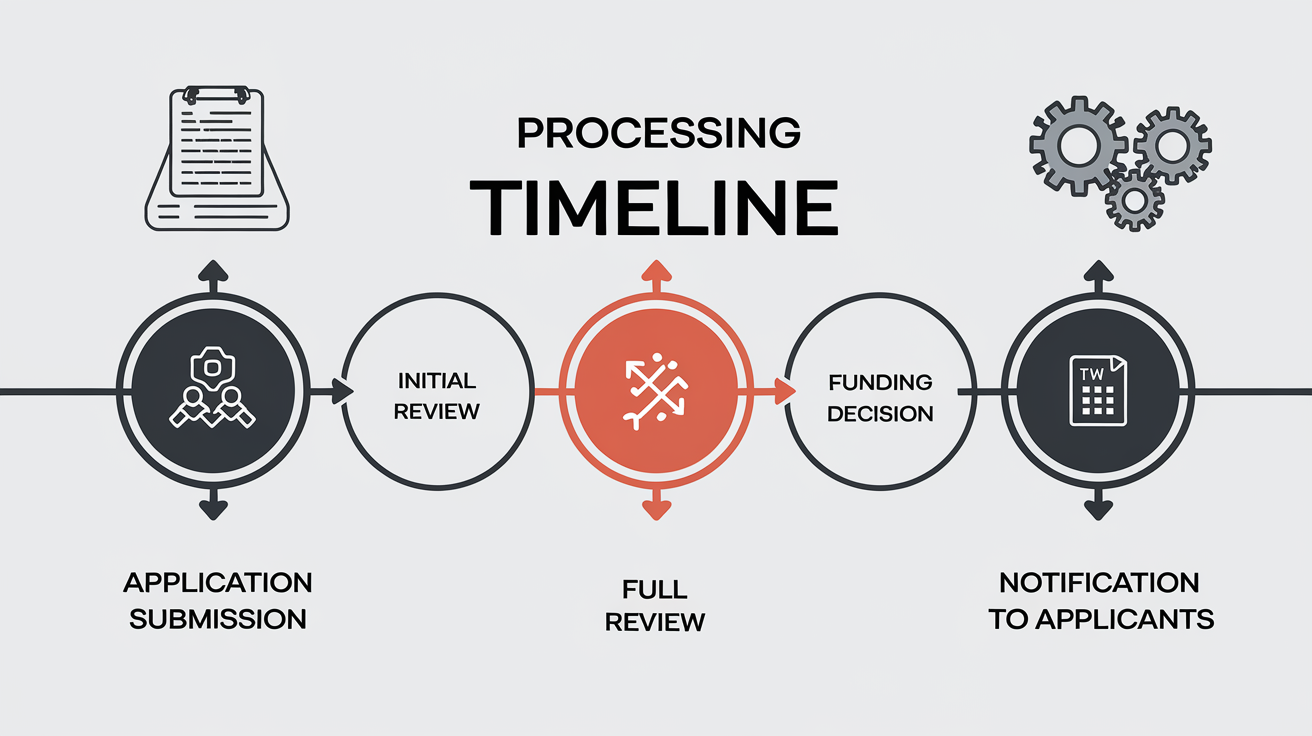
The processing timeline for IVF grant applications typically aligns with specific seasonal cycles, with applications reviewed twice a year. This cyclical review process means that applications can take anywhere from three to six months to process, depending on the specific grant and its review schedule.
Knowing the application process and its timeline is important for planning your fertility treatments accordingly. Knowing when to apply and what to expect can help you manage your expectations and prepare for the next steps in your fertility journey.
Application Deadlines
Many IVF grants have application deadlines occurring biannually, often in the spring and fall. Adhering to these deadlines is important, as missing them can delay your application process and potentially affect your treatment timeline.
After the application deadline, applicants usually receive notification about grant decisions approximately four to six weeks later. Being aware of these timelines can help you plan your application submissions and prepare for the next steps in your fertility journey.
Review Process
The review process for many IVF grants may take several weeks to a few months after submission. Organizations like Angels of Hope review applications during specific periods, such as Spring and Fall, aligning with their biannual review cycles.
Knowing the review process and its timeline can help you manage your expectations and prepare for potential next steps. Knowing when your application will be reviewed and when you can expect a decision is crucial for planning your fertility treatments effectively.
Non-Financial Support Options
Non-financial support options can be incredibly valuable for those navigating the IVF process. Many fertility clinics offer educational workshops to help patients understand their treatment options better, providing valuable insights and coping strategies.
Books and literature on infertility can also offer support, helping individuals and couples cope with the emotional and psychological aspects of their fertility journey. These resources can complement financial assistance, providing a holistic approach to reproductive health care.
Medication Assistance Programs
Many IVF grants provide support that goes beyond financial aid, specifically in the form of discounts on medications. Programs may offer significant discounts on certain brands of fertility medications, leading to potential savings of up to 50% for eligible patients undergoing IVF treatment.
The availability of medication assistance programs can significantly alleviate the financial burden associated with IVF treatments, enhancing access to necessary medications and making the process more affordable. These programs are a valuable resource for those seeking to minimize their out-of-pocket expenses.
Additional Resources
Organizations like Livestrong Fertility assist cancer patients with fertility challenges, providing essential support during a difficult time. The Chick Mission specifically aims to assist cancer patients seeking fertility preservation, helping them navigate their options.
Utilizing these additional resources can significantly enhance the overall IVF experience. Counseling services, educational resources, and support for specific groups, such as cancer patients, play a crucial role in aiding patients through the emotional and psychological aspects of their fertility journey.
Impact of Success Stories on Grant Applications

Sharing personal success stories in your grant application can significantly enhance its emotional appeal and resonate with reviewers. Personal narratives about overcoming fertility challenges often create a strong emotional connection, showcasing the potential impact of the grant provider’s support. These stories can illustrate your resilience and determination, making your application more compelling and increasing the likelihood of funding approval.
Many foundations prioritize applicants who are willing to share their story publicly. This transparency and willingness to advocate for fertility treatments can positively influence grant providers’ perceptions, making your application stand out. Crafting an authentic and heartfelt narrative can make a significant difference in your grant application.
Sharing Your Journey
When detailing your fertility journey, focus on authenticity and emotional impact. Highlighting specific challenges and triumphs can create a compelling narrative that resonates with grant providers. Effective storytelling about your experiences can help grant providers connect emotionally with your application, increasing the likelihood of funding approval.
Articulating personal experiences candidly can make a strong connection with grant reviewers, highlighting your resilience and the importance of financial assistance. Success stories can help applicants; many foundations prioritize those willing to share their story publicly, such as in blog posts or social media.
Public Advocacy
Public advocacy plays a crucial role in enhancing the chances of grant application success by demonstrating community support for IVF initiatives. By engaging the community and rallying support, applicants can create a stronger case for why their grant should be awarded.
Sharing personal experiences and success stories via social media or community events can serve as a powerful tool in public advocacy. This not only helps connect with grant reviewers on an emotional level but also raises awareness about the importance of fertility treatments and the need for financial assistance.
Summary
Navigating the IVF grant application process can be complex, but understanding the types of grants available, their eligibility criteria, and the importance of a strong application can significantly improve your chances of receiving financial assistance. From full cycle coverage to partial funding options, there are numerous grants designed to help alleviate the financial burden of fertility treatments.
Remember, a compelling personal narrative and a well-documented doctor’s recommendation can make a significant difference in your application. Utilizing non-financial support options and engaging in public advocacy can further enhance your chances. By leveraging these tips and resources, you can navigate the IVF grant application process with confidence and hope.
Frequently Asked Questions
What are IVF grants and how do they help?
IVF grants offer financial support to individuals and couples facing the hefty expenses of fertility treatments, making it more accessible to pursue options like IVF. They can significantly reduce the financial burden, allowing hopeful parents to focus on growing their families.
What types of IVF grants are available?
You can find several types of IVF grants, such as full cycle funding, partial funding, and medication assistance grants. Some are specifically tailored for groups like LGBTQ+ individuals or military veterans, making it easier for different communities to access help.
What are the eligibility criteria for IVF grants?
To be eligible for IVF grants, you often need to meet specific income limits, have a medical diagnosis of infertility, and sometimes fall within certain age ranges or geographic areas. It’s important to check the individual requirements of each grant program, as some may be more flexible than others.
How important is a doctor’s recommendation in the grant application process?
A doctor’s recommendation is essential for IVF grant applications, as it provides critical details about your infertility diagnosis and treatment plan, boosting the application’s credibility. So, make sure you get a thorough recommendation!
What is the typical processing timeline for IVF grant applications?
The typical processing timeline for IVF grant applications is about three to six months, with reviews conducted twice a year. Staying on top of application deadlines will help you plan your fertility treatments better!
Are there any financial aid to help me with IVF with donors’ eggs?
The BabyQuest Foundation supports fertility treatment with attention to the various types and substantial financial requirements. The sums available vary; usually between $2,000 and $6,000. November 27, 2021.
Can I borrow money for IVF?
Founded by an alopecia sufferer, EggFund works to provide better rates on loans, iVF, adoptions and surrogacy. EggFund customers can pay for everything involved including treatment, tests and medications; agency fees and attorneys and storage costs and fees.
Resources
1. Baby Quest Foundation
Link: https://babyquestfoundation.org/
Anchor Text: Baby Quest Foundation IVF grants
Why: A reputable non-profit that provides IVF funding to individuals and couples struggling with infertility.
2. RESOLVE: The National Infertility Association
Link: https://resolve.org/what-are-my-options/making-treatment-affordable/grants/
Anchor Text: RESOLVE fertility grants list
Why: A well-known infertility organization with a page listing various IVF grants and financial assistance options.
3. CNY Fertility Grant Program
Link: https://www.cnyfertility.com/financing/grants/
Anchor Text: CNY Fertility’s grant and financing options
Why: A major fertility clinic offering grants and low-cost IVF, often mentioned in fertility communities.




Leave a Reply