Mottled Skin in Babies: The Surprising Signs, Dangers, and When to Call the Doctor
Welcoming a new baby is one of the most beautiful and emotional experiences you’ll ever have. But it also brings a wave of questions—especially when something doesn’t look quite right. One of those things that can leave parents worried is changes in a baby’s skin, such as mottled skin. This purplish, blotchy pattern can be alarming at first glance, but knowing what it means (and when to worry) makes all the difference.
Let’s talk through what mottled skin in babies really is, what causes it, and the warning signs that every parent should know.

What Is Mottled Skin in Babies?
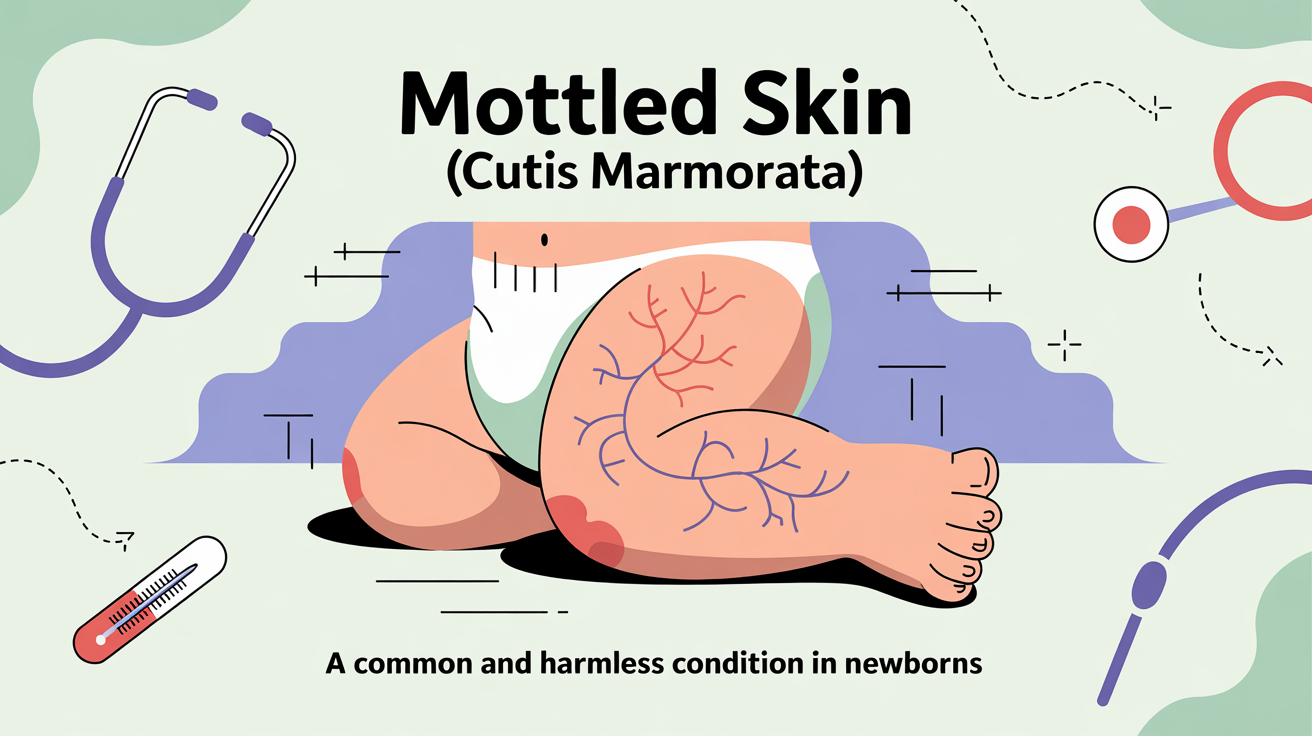
Mottled skin in newborn babies, also called cutis marmorata, shows up as a lacy, reddish-purple pattern on their arms, legs, or even across the chest. It happens when blood vessels near the skin’s surface tighten or react to temperature changes, especially cold. Cutis marmorata appears as a pinkish-blue mottled pattern, usually in response to cold temperatures. Because newborns have an immature circulatory system, this kind of skin discoloration is surprisingly common. While it generally appears on the arms and legs, it can also show up on the trunk of the body.
Most of the time, it’s temporary and nothing to worry about. Mottled skin is generally a temporary condition. But when it lingers or shows up with other symptoms, it could be a sign of something more serious. Cutis marmorata, in particular, is a benign (noncancerous) condition that does not lead to any complications.
Types of Mottled Skin Conditions
Mottled skin conditions can vary widely, each with its own unique characteristics and causes. Here are some of the most common types:
Signs and Symptoms of Mottled Skin
Mottled skin can present in various ways, depending on the underlying cause. Here are some common signs and symptoms to watch for:
What Causes Mottled Skin in Babies?
There are a few common causes of mottled skin in babies: Disruptions in blood flow to tiny vessels can lead to the characteristic mottled appearance.
1. Cold Temperatures
The most frequent reason is exposure to cold. When a baby gets chilly, their small blood vessels constrict, leading to this marbled or blotchy skin appearance. Warming them up usually helps it fade quickly. As the skin warms, the discoloration typically resolves.
2.2 2. Immature Blood Flow
In newborns, blood circulation is still developing. That means blood might not flow evenly just yet, leading to a mottled skin pattern. Warming the skin usually makes the signs of cutis marmorata disappear. As your baby grows and their body adjusts, mottled skin often becomes less noticeable or goes away entirely. Most children do not need any treatment for cutis marmorata.
3. Underlying Medical Conditions
Sometimes, mottled skin in babies can signal a bigger issue—like poor oxygen levels, heart problems, or an infection. Conditions like meningitis, which affect the brain and spinal cord, can also present with mottled skin. Symptoms of meningitis can include a blotchy skin rash. Some severe infections, including sepsis and meningitis, can cause skin discoloration and mottling. When it sticks around or shows up with other symptoms like fever or lethargy, it’s a red flag.

Dangers of Mottled Skin by Baby’s Age — And When to See a Doctor
Mottled skin can mean different things depending on your baby’s age. Premature babies are more likely to experience mottled skin due to their thinner skin and underdeveloped bodily functions. Mottled skin is often seen in premature babies in neonatal care. Here’s what to watch for:
Newborn to 2 Months
This is the most common time to see mottling. It’s usually nothing serious—just a response to temperature or immature circulation. But if the skin stays blotchy even when your baby is warm, or your baby is very sleepy, not eating, or breathing oddly, it’s time to call your doctor. In some cases, the mottling may be a form of livedo reticularis, which is a more persistent condition.
3 to 6 Months
Mottling becomes less common as the circulatory system matures. Issues with red blood cells and oxygen transport can also contribute to mottled skin. If it’s still happening often or is accompanied by things like poor weight gain or pale lips, it might be a sign of an underlying issue like a congenital heart problem.
6 Months and Older
By now, mottled skin is rare. If it appears with a fever, vomiting, blue lips, or labored breathing, it could indicate sepsis, dehydration, or a circulatory emergency. Don’t wait—get medical help immediately. Jaundice, caused by a yellow substance called bilirubin, can also present with skin discoloration. Sepsis can cause a hemorrhagic rash characterized by clusters of tiny spots that look like pinpricks on the skin. Jaundice results in yellowing of the skin and whites of the eyes in newborns.
When Should You Be Concerned?
Call your pediatrician or go to the ER if your baby has mottled skin plus:
- High fever or chills
- Trouble breathing or unusual grunting sounds
- Very sleepy or hard to wake
- Not feeding or suddenly vomiting
- Pale, gray, or blue skin tone
- Cold hands and feet that don’t warm up
- The mottled skin doesn’t fade with warmth
Changes in skin color, especially if they are sudden or severe, should always be taken seriously.
You know your baby best. If something feels off, don’t second-guess yourself. It’s better to call and feel reassured than to wait too long.
Which of the following conditions would likely cause mottled skin?
Medical conditions: Certain conditions like lupus and rheumatism can cause skin sagging. Mottled skin indicates a medical condition such as Sepsis. Symptomatic conditions such as rashes are often seen long after mottling skin appears but are not uncommon. 20 May 2024.
How to Soothe and Prevent Mottled Skin
- Dress your baby in layers and make sure they’re not too cold or too hot.
- Skin-to-skin contact is powerful—it regulates temperature and creates emotional safety.
- Keep an eye on their behavior. Are they alert? Feeding well? Breathing comfortably? All of these signs matter more than skin alone. Jaundice, caused by a yellow substance called bilirubin, can also be managed by keeping the baby warm and well-fed.


Frequently Asked Questions (FAQs)
1. Is mottled skin in babies dangerous?
Not always. In newborns, changes in a baby’s skin are often due to temperature or immature circulation. But if it continues or comes with other symptoms, call your doctor.
2. Can mottled skin be a sign of infection?
Yes, especially if it’s paired with fever, fatigue, or breathing problems. It can be a sign of sepsis or another serious condition.
3. How do I treat mottled skin at home?
Keep your baby warm and cozy. Skin-to-skin contact and light layering often resolve the issue. But if it doesn’t improve or seems severe, contact your provider.
4. Should I be worried if the mottling keeps coming back?
Recurring mottled skin isn’t always alarming, but it shouldn’t be ignored—especially after 3 months of age. Discuss it with your pediatrician to rule out circulatory or heart conditions.
5. What does mottled skin look like when it’s a medical emergency?Deep purple or blue skin, mottling that spreads quickly, or skin that stays cold and blotchy even in warmth—especially with lethargy or breathing changes—are serious signs.

A Final Word from One Mom to Another
If you’re staring at your baby’s skin, trying not to panic, please know—you are not alone. So many mothers have been exactly where you are. Mottled skin can be scary to look at, but it’s often part of your baby’s normal development. Still, your concern is valid. Your intuition is powerful. If your heart tells you something isn’t right, listen to it.
Your baby’s life and comfort matter, and no question is ever too small when it comes to their health.
Additional Resources for Parents
- Healthline: Cutis Marmorata in Babies
- Cleveland Clinic: Mottled Skin
- Seattle Children’s: Skin Conditions in Newborns
For emotional support and meaningful parenting products, visit:
agnnestreasures.com




Leave a Reply