Infertility is a common experience that affects millions of people worldwide. God’s desire is to bring hope and comfort to those struggling with infertility. The Bible is not silent on this issue, and it offers hope through God’s love, comfort, and guidance to those who are struggling with infertility. From the stories of Sarah, Rachel, and Hannah to the promises of God’s love and grace, the Bible provides a rich source of encouragement and support for those who are childless. In this article, we will explore the biblical perspective on infertility, including the emotional and spiritual impact, the role of the Holy Spirit, the value of community and support, and the promise of hope through miraculous pregnancies.
Sarah: The Mother of Nations Sarah’s journey through infertility is one of the most emblematic stories in the Bible. Married to Abraham, Sarah faced decades of barrenness. In a society where childbearing was immensely valued, her infertility was a source of great distress. However, God’s promise to Abraham that he would be the father of many nations included Sarah in a pivotal role. Despite her initial incredulity, evidenced by her laughter when God promised her a son in her old age, Sarah bore Isaac when she was ninety years old (Genesis 17:17, 21:1-3). Isaac’s birth was not just the fulfillment of a personal desire for a child; it was the foundation of God’s promise to Abraham.

Rebekah: Prayers for a Mother Isaac’s wife, Rebekah, also experienced infertility. For twenty years, Rebekah and Isaac yearned for a child. Isaac’s prayers on behalf of his wife were answered, and Rebekah conceived twins, Esau and Jacob (Genesis 25:21). This narrative underscores the power of prayer and faith in God’s timing. The rivalry between the twins and their descendants would shape much of Israel’s history, highlighting the significance of Rebekah’s pregnancy.
Rachel: Beloved yet Barren Rachel’s story is one of longing and rivalry. Desperately loved by Jacob but unable to conceive, Rachel watched her sister Leah bear children while she remained barren. Her plea to Jacob, “Give me children, or I’ll die!” (Genesis 30:1), echoes the depth of her despair. Yet, God remembered Rachel, and she bore Joseph and Benjamin. Joseph’s birth is particularly noteworthy, as his journey from slavery to becoming a ruler in Egypt was instrumental in the survival of the Israelite people during a famine.
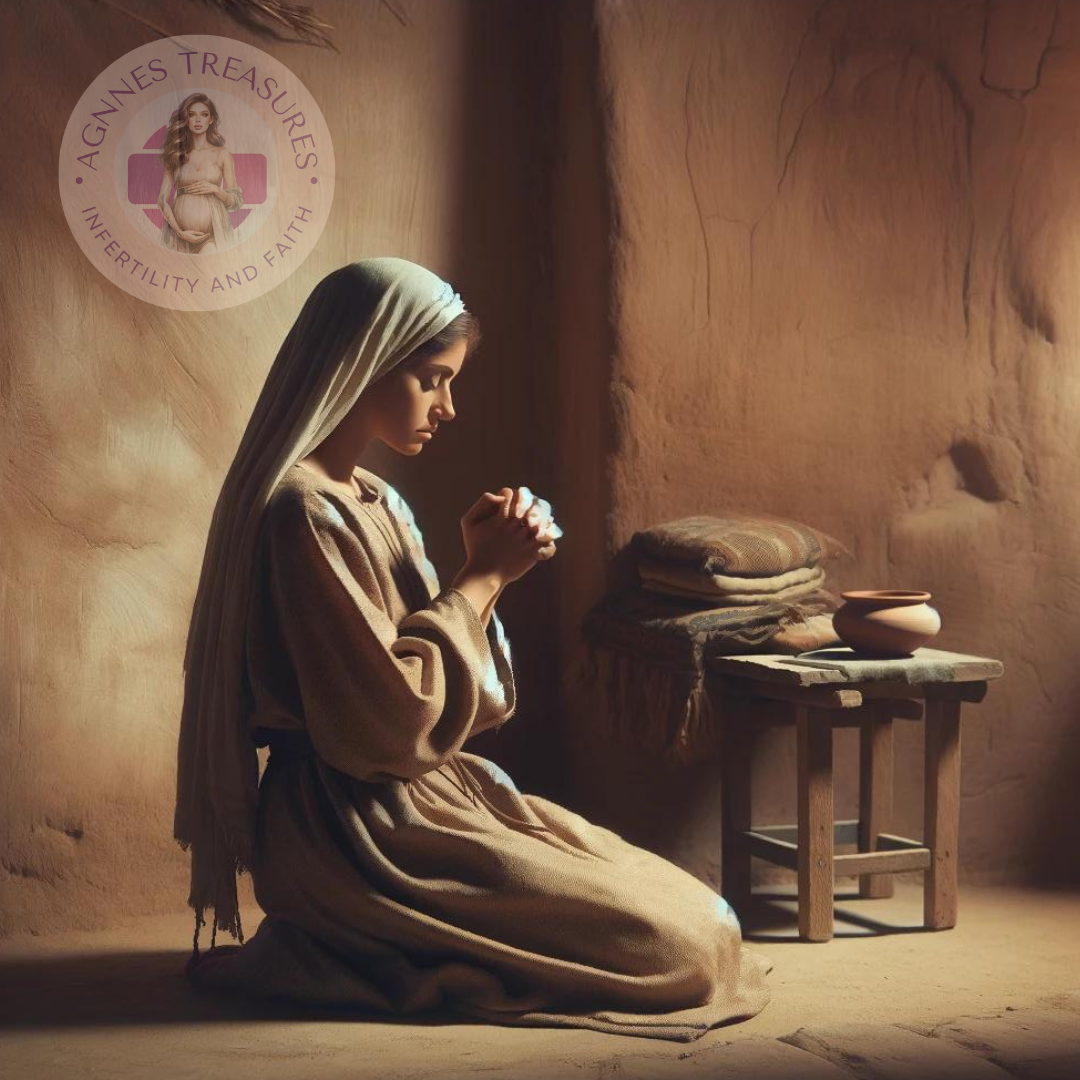
Hannah: A Promise of Dedication Hannah’s story is a poignant testament to the power of prayer and vows. Deeply distressed by her inability to conceive and tormented by her husband’s other wife, Hannah made a heartfelt promise to God. If He would grant her a son, she would dedicate the child to the Lord’s service. God answered her prayers, and Samuel was born (1 Samuel 1:10-20). Samuel’s dedication to God and his role as a judge, prophet, and anointer of kings had a lasting impact on Israel.

Elizabeth: The Forerunner’s Mother In the New Testament, Elizabeth’s story mirrors those of her Old Testament counterparts. Married to Zechariah and advanced in years, Elizabeth was barren. Yet, their faithfulness was rewarded when an angel of the Lord appeared to Zechariah, promising them a son, John (Luke 1:13). John the Baptist would go on to prepare the way for Jesus, emphasizing the significance of Elizabeth’s late-life pregnancy.
These stories, rich with themes of faith, prayer, and divine intervention, offer profound insights into the struggle with infertility. Beyond their initial despair, each woman’s journey culminates in a remarkable outcome that contributed significantly to biblical history and the overarching narrative of faith and redemption. The births of Isaac, Jacob, Joseph, Samuel, and John the Baptist were not merely answers to personal prayers; they were pivotal events that shaped the faith and identity of the Israelite people and the Christian faith.
Their experiences, marked by promises to God and an unwavering hope in His promises, are testaments to the belief that out of great trials can come extraordinary blessings. These biblical stories continue to inspire and offer hope to many, highlighting the amazing outcomes that faith and perseverance can bring. The multifaceted nature of motherhood, as seen in the stories of Sarah and Eve, transcends the physical act of bearing children. It encompasses nurturing, guiding, and the emotional and spiritual aspects of motherhood. Additionally, the societal pressures faced by women who are unable to conceive biological children highlight the importance of recognizing adoption as a viable and meaningful alternative.
Understanding Infertility in the Bible
Infertility is a recurring theme in the Bible, with numerous stories of childless women and couples facing the heartache of not being able to bear children. These narratives serve to remind us that infertility is not a measure of one’s worth or capability but rather a profound test of faith and trust in God’s plan. The Bible teaches that God’s love, grace, and sovereignty extend over every aspect of life, including fertility. Through the stories of Sarah, Rebekah, Rachel, and others, we see that God’s desire is to bring hope and comfort to those struggling with childlessness. These stories highlight that even in the midst of despair, there is a divine purpose and a promise of hope.
Biblical Examples of Infertility
The Bible is rich with examples of women who faced infertility yet remained steadfast in their faith. Sarah, Rebekah, Leah, Rachel, Hannah, and Elizabeth all experienced the pain of being unable to bear children. Despite their struggles, they trusted in God’s promise. For instance, God remembered Rachel and blessed her with a son, Joseph, who would later become a pivotal figure in Egypt. Similarly, Hannah’s fervent prayers were answered, and she bore Samuel, who grew up to be a prophet and judge. These stories are powerful testimonies of God’s love and grace, showing that He hears the cries of the barren woman and fulfills His promises in His perfect timing.
The Emotional and Spiritual Impact of Infertility on a Barren Woman
Infertility can have a profound emotional and spiritual impact on individuals and couples. The desire to bear children is a natural and God-given desire, and the inability to do so can lead to feelings of sadness, anger, and frustration for a childless woman. The Bible acknowledges these emotions and offers comfort and solace to those who are struggling. For example, the story of Hannah, who was childless and prayed fervently to God for a child, shows that God remembers and hears the cries of those who are struggling with infertility (1 Samuel 1:11). The Bible also reminds us that God’s love and grace are not contingent on our ability to bear children, and that our worth and value come from our relationship with Him (Psalm 139:13-14). God’s promise provides hope and comfort to those facing these challenges.
The Role of the Holy Spirit in Infertility
The Holy Spirit plays a vital role in the lives of those who are struggling with infertility and seeking eternal life. The Bible teaches that the Holy Spirit is the giver of life and that He is able to bring new life and hope to those who are struggling with infertility (John 6:63). The story of Elizabeth, the wife of Zechariah, who was barren and old, shows that the Holy Spirit can bring new life and hope to those who are struggling with infertility (Luke 1:57-58). The Holy Spirit can also provide comfort, guidance, and strength to those who are struggling with infertility, and can help them to trust in God’s promise and plan for their lives.

The Role of Faith and the Holy Spirit
Faith and the Holy Spirit are central to the stories of infertility in the Bible. The Holy Spirit is often depicted as the divine force enabling women to conceive, as seen in the story of Elizabeth, who bore John the Baptist in her old age. Faith is equally crucial, exemplified by Hannah, who trusted in God’s promise despite her husband’s doubts. The Bible teaches that faith and trust in God’s plan are essential for overcoming infertility. The Holy Spirit provides comfort, guidance, and strength, helping individuals to hold onto God’s promise and find hope even in the most challenging times.
Finding Hope and Comfort in the Bible
The Bible offers a wellspring of hope and comfort for those experiencing infertility. It reassures us that God is always with us and has a plan to fulfill our deepest desires. The stories of infertility in the Bible demonstrate God’s power and love, showing that He can overcome even the most insurmountable challenges. Through prayer, faith, and trust in God’s plan, we can find solace and encouragement. The National Infertility Association reminds us that we are not alone in our struggles, and the Bible echoes this sentiment, emphasizing that God’s grace is sufficient for us, and His power is made perfect in our weakness.
Using Pain for Good
The Bible teaches that God can transform our pain and struggles into something good. The story of Samson’s mother, who was barren but eventually bore a son who became a deliverer and judge, illustrates this beautifully. Similarly, Ruth, who was initially childless, bore a son named Obed, who played a significant role in God’s plan. These stories show that through our experiences of infertility, we can learn to trust in God’s plan and find ways to use our pain for good. Whether through serving others, sharing our story, or supporting those struggling with infertility, we can turn our trials into testimonies of God’s grace and love.
The Value of Community and Support from the National Infertility Association
Community and support are essential for those who are struggling with infertility. The Bible teaches that we are not alone in our struggles, and that we are part of a larger community of believers who can offer support and encouragement as God’s gift (Galatians 6:2). The National Infertility Association estimates that one in eight couples struggle with infertility, and that many of these couples feel isolated and alone. However, the Bible reminds us that we are not alone, and that we have a community of believers who can offer support and encouragement. The story of Sarah, who was childless and struggled with infertility, shows that even in the midst of struggle, God can bring new life and hope to those who are struggling (Genesis 21:1-3). Support from the community helps individuals experience God’s grace.