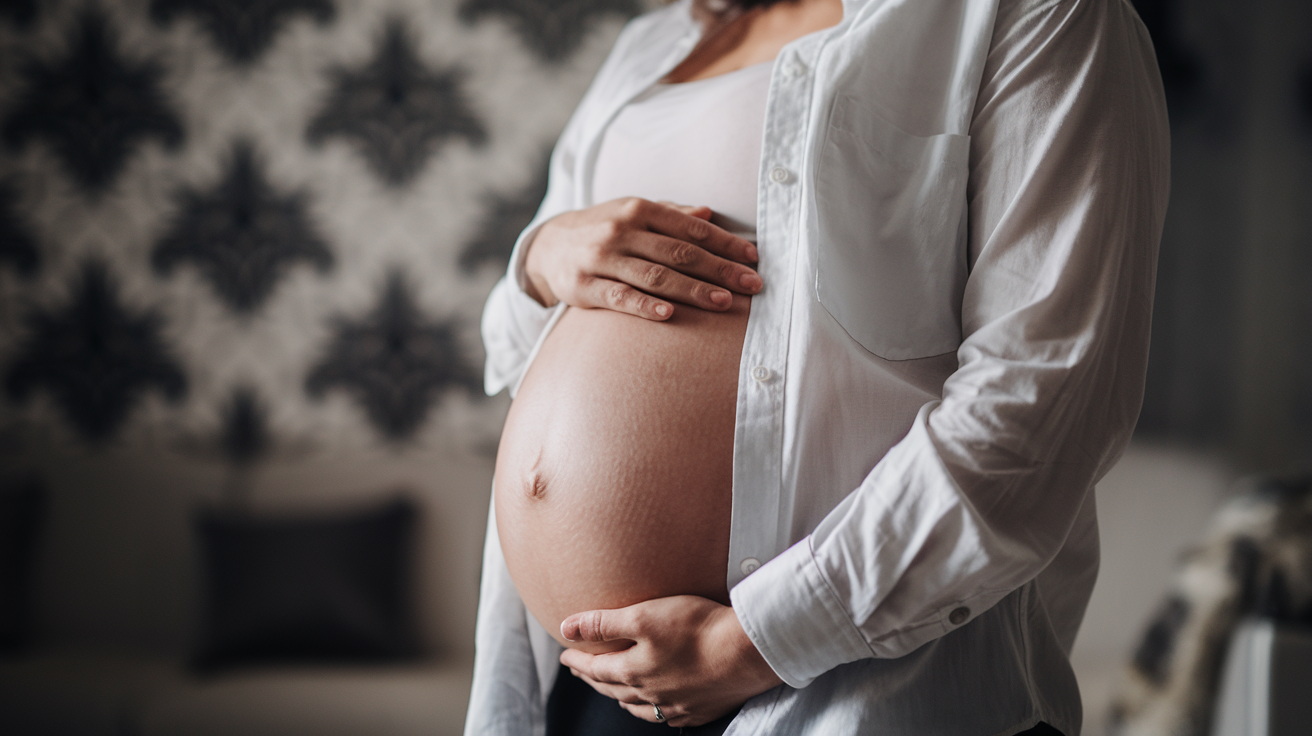
Fertility is the ability to conceive children. Many couples wondering why they can’t conceive are searching for answers about fertility. Here, we provide essential information on understanding fertility, identifying causes of infertility, and their treatments. Infertility affects approximately 10-15% of couples throughout the United States, making it a significant concern for many.
Key Takeaways
- Fertility declines with age, significantly impacting women’s ability to conceive after their mid-30s, while men also experience decreased sperm quality around 40-45.
- Infertility can stem from various medical conditions and lifestyle factors, such as obesity, hormonal imbalances, and environmental pollutants, necessitating targeted diagnosis and treatment.
- Understanding and tracking the menstrual cycle can enhance fertility awareness, with ovulation predictor kits and lifestyle modifications like a balanced diet playing key roles in improving conception chances.
Understanding Fertility

Fertility is often defined as the ability to have children, referring specifically to the capability of individuals or couples to conceive offspring through regular sexual intercourse. It represents the natural ability to conceive, which is essential for successful conception and the continuation of species. The reproductive system plays a crucial role in this process. Female fertility begins in the teens after puberty but starts to decline significantly with age, particularly after the mid-30s. Typically, one egg is released during ovulation each month, and if fertilization does not occur, the egg’s lifespan is approximately 24 hours.
Recognizing the basics of fertility helps in identifying potential challenges. As women age, their fertility declines, which impacts their difficulty conceiving. This natural decline calls for awareness and timely action for those planning to have children. The diagnosis of infertility is usually given to couples who have been attempting to conceive for at least 1 year without success.
Causes of Infertility
Infertility can result from various medical conditions and lifestyle factors, affecting both men and women. Common causes include:
- Endometriosis, a condition where tissue similar to the uterus lining grows outside of it, potentially causing infertility cases.
- Hormonal imbalances that disrupt ovulation in women, making it difficult to conceive.
- Infections affecting the reproductive organs, such as sexually transmitted infections (STIs), which can also lead to infertility.
- Statistically, one-third of infertility problems are related to men, one-third to women, and the remaining one-third involves both partners or unknown causes.
Obesity is another significant factor that can lead to fertility problems. Obese men may experience diminished fertility due to hormonal issues and related health conditions. For both men and women, maintaining a healthy weight is crucial for reproductive health.
Multiple medical conditions and lifestyle factors significantly impact fertility, necessitating comprehensive diagnosis and treatment approaches. Knowing these causes aids in selecting the appropriate infertility treatments. Addressing underlying issues, whether through lifestyle changes or medical interventions, can greatly improve conception chances.
The Role of the Menstrual Cycle in Fertility
The menstrual cycle plays a pivotal role in fertility. It begins with the first day of bleeding, marking the start of the follicular phase where the uterine lining thickens to prepare for a fertilized egg. A woman’s menstrual cycle begins with menses. Key points in the monthly cycle include:
- Release of hormones such as Follicle-Stimulating Hormone (FSH) during the follicular phase, stimulating the growth of ovarian function follicles.
- Ovulation typically occurs between days 11 and 21 of the menstrual cycle, triggered by a surge in luteinizing hormone (LH).
- A woman’s uterus is most fertile around day 14.
After ovulation, the time from egg release to the start of the next menstrual period is usually between 10 to 16 days. During ovulation, cervical mucus changes to become:
- thinner
- more elastic
- resembling raw egg white These changes facilitate sperm penetration. Hormonal changes throughout the menstrual cycle play a key role in fertility, and understanding these changes can help in identifying the most fertile days, including the release of a mature egg. After ovulation, the egg can only be fertilized for up to 24 hours.
- thinner
- more elastic
- resembling raw egg white These changes facilitate sperm penetration. Hormonal changes throughout the menstrual cycle play a key role in fertility, and understanding these changes can help in identifying the most fertile days, including the release of a mature egg.
Common Fertility Treatments

Various fertility treatments are available to help couples conceive. Undergoing fertility treatments, in vitro fertilization (IVF) involves fertilizing an egg outside the body before returning it to the uterus. When sperm fertilizes an egg, it can lead to successful conception. Intrauterine insemination (IUI) is another procedure where sperm is introduced directly into the uterus. These treatments are often used when other methods have failed or when specific medical conditions are present. In vitro fertilization (IVF) has an average live birth rate of 34% per cycle according to the Society of Assisted Reproductive Technology.
Medications commonly used in fertility treatments, including fertility drugs such as clomifene, tamoxifen, and metformin, assist with ovulation and fertility. Surgical options and treatment options may involve repairing blocked fallopian tubes, treating endometriosis, or extracting sperm. Egg and sperm donation can also be utilized when one partner has infertility issues.
Understanding the emotional impact of fertility treatments is essential. The associated stress can hinder physical conception, creating a cycle of emotional distress. Clearing misconceptions about assisted reproductive technology can improve reproductive health outcomes.
Diagnosing Infertility
Diagnosing infertility requires a series of tests to evaluate reproductive health in both partners, including an infertility diagnosis. For women, this may include:
- Ovulation analysis
- Hysterosalpingography for fallopian tube blockages
- Laparoscopy for internal organ inspection
- Hormonal assessments to determine if a woman is ovulating properly.
Men are typically evaluated through semen analysis to check sperm count and quality. If chromosomal abnormalities are found, further tests such as ultrasounds or genetic testing may be performed.
These fertility tests are crucial for identifying the underlying causes of infertility and determining the appropriate infertility treatments.
Lifestyle Factors Affecting Fertility

Lifestyle choices significantly impact fertility outcomes for both men and women. Key factors include:
- Maintaining a balanced diet rich in fruits, vegetables, and fish, which can improve sperm quality and overall reproductive health, contributing to healthy sperm.
- Avoiding a sedentary lifestyle, as it is a modifiable risk factor for infertility.
- Engaging in regular physical activity to support fertility.
Factors that negatively influence fertility include:
- Smoking, which is linked to decreased sperm motility and morphology, with heavier smokers experiencing more significant infertility issues.
- Alcohol misuse, which can lead to hormonal imbalances and reduced fertility potential in both genders.
- Stress, anxiety, and depression, which can disrupt hormonal balance and negatively influence fertility.
Recommendations for individuals undergoing infertility treatments include:
- Relaxation techniques, such as yoga and meditation, which have been shown to reduce anxiety.
- Small weight reductions in overweight women, which can lead to improved reproductive health outcomes.
- Regular physical activity and a balanced diet, which can improve overall health and prepare the body for pregnancy.
Age and Fertility
Age significantly impacts fertility in both men and women. A woman’s fertility begins to decline with age, impacting her ability to conceive and have a healthy child. By age 40, the likelihood of conceiving in any given month drops to approximately 5%. Health improvements do not fully counteract the effects of aging on a woman’s age fertility.
Men’s fertility also diminishes around age 40 to 45, with decreased sperm quality. The time required for couples to conceive can lengthen when the male partner is over 45. Age affects the success rates of infertility treatments for both genders, making it a crucial factor in seeking help.
Weight and Fertility
Weight plays a crucial role in fertility. Obesity can negatively impact fertility in the following ways:
- It can affect the quality of sperm and hormonal balance in both sexes.
- Obese men may experience infertility and low testosterone.
- Being overweight increases the time it takes to get pregnant.
- It can lead to infertility.
Achieving a healthy weight is crucial for women before conception because:
- Being underweight or overweight can negatively impact pregnancy outcomes.
- Individuals with a high body mass index (BMI) may take twice as long to conceive compared to those with a normal BMI.
- A weight loss of 5% to 10% can enhance ovulation.
- Losing weight can also lead to better pregnancy rates.
Environmental Factors Influencing Fertility
Environmental pollutants, including heavy metals and endocrine disruptors, significantly threaten reproductive health and can lead to infertility. Exposure to endocrine-disrupting chemicals, such as bisphenol A and phthalates, can impair both male and female fertility by affecting hormone levels and reproductive functions.
Heavy metals like lead and mercury have been linked to infertility, with lead exposure showing a twofold increase in infertility risk for levels above 15.47 ppb. Air pollution has been associated with increased rates of pregnancy loss, indicating a direct impact on reproductive outcomes.
Environmental factors, including exposure to toxins and high temperatures, may affect fertility, leading to a higher risk of increased risk factors.
How Ovulation Tracking Helps
Tracking ovulation helps plan sex during the most fertile times, increasing the chances of conception. One common method is measuring body temperature with a basal thermometer every morning, as a rise in temperature suggests the fertile period. Ovulation predictor kits are designed to detect the increase in luteinizing hormone, which signals the onset of ovulation.
Digital ovulation tests may provide clearer results, indicating fertility status through visual cues like smiley faces. Some women benefit from using ovulation apps to identify their most fertile days based on menstrual cycle data. Testing for the LH surge 1-2 days before the expected surge is recommended. Ovulation kits measure LH levels and other hormones to assist in tracking ovulation.
Understanding In Vitro Fertilization (IVF)

In vitro fertilization (IVF) is a procedure that involves the following steps:
- Eggs are surgically removed from the woman.
- The eggs are combined with sperm outside the body to fertilize them.
- The fertilized eggs are then placed in the woman’s uterus.
To stimulate ovulation and the production of multiple eggs, fertility medications are used, as typically only one egg is released per menstrual cycle.
Before starting IVF, patients are screened for various conditions such as ovarian reserve and semen analysis. The average live birth rate for IVF varies based on the patient’s age and infertility issues, with more than one cycle often necessary for a successful pregnancy. However, IVF can significantly increase the likelihood of multiple pregnancies, which poses additional health risks for both the mother and the babies.
Ovarian hyperstimulation syndrome is a possible complication of IVF treatments, causing uncomfortable symptoms. Ovarian stimulation is a process involved in embryo transfer, which usually happens 2 to 6 days after egg retrieval. Knowing these steps and potential risks is crucial for anyone considering IVF.
Advanced Reproductive Technologies
In addition to IVF, several advanced reproductive technologies are available to help couples conceive. Intrauterine insemination (IUI) involves placing sperm directly into a woman’s uterus to increase the chances of fertilization during ovulation induction. IUI is typically used for couples with unexplained infertility, mild male factor infertility, or issues related to cervical mucus that may hinder sperm movement.
Egg donation is another option, especially for individuals who cannot conceive with their own donor eggs due to medical reasons such as:
- Premature ovarian failure
- Eggs age-related decline in egg quality
- Genetic disorders
- Previous surgeries affecting the ovaries
- Unsuccessful IVF attempts
Egg donation is a highly successful infertility treatment for women over 42 years old who have not had success with other therapies.
- Premature ovarian failure
- Eggs age-related decline in egg quality
- Genetic disorders
- Previous surgeries affecting the ovaries
- Unsuccessful IVF attempts
These assisted reproductive technologies provide hope and solutions for many facing infertility challenges, as highlighted by the national infertility association.
Emotional and Psychological Aspects of Infertility
Infertility can significantly impact mental health, leading to stress, anxiety, and depression. The psychological distress from primary infertility often exacerbates relationship tensions and can lead to social isolation. Societal pressures and expectations surrounding childbearing further compound these emotional burdens.
Counseling is essential for couples dealing with infertility, as it can help manage the emotional challenges associated with treatment. Therapeutic interventions, including psychotherapy, can help couples cope with the emotional aspects of infertility and improve treatment outcomes.
Addressing these emotional and psychological aspects is vital for overall well-being during the fertility journey.
Preparing for a Healthy Pregnancy

Preparing for pregnancy involves several important steps to ensure a healthy outcome. Women should schedule a preconception check-up with a healthcare provider to discuss medical history and any necessary vaccinations. Being at a healthy weight can enhance fertility and decrease the likelihood of complications during pregnancy to help achieve pregnancy. Fertility preservation methods, such as freezing embryos or eggs, are options for women delaying childbirth.
Taking prenatal vitamins, especially those containing folic acid, prevents birth defects. Avoiding harmful substances like tobacco, alcohol, and recreational drugs enhances the chances of a healthy pregnancy.
Additionally, pregnant women exposed to pollutants may experience increased risks of adverse outcomes, including congenital disabilities in their children born, making it important to reduce exposure to environmental toxins.
Summary
Navigating the complexities of fertility and infertility can be challenging, but understanding the key facts, causes, and treatment options can make the journey more manageable. From recognizing the natural decline in fertility with age to exploring advanced reproductive technologies like IVF, being informed empowers couples to make the best decisions for their path to parenthood. Remember, emotional support and a healthy lifestyle are just as important as medical treatments in achieving a successful pregnancy. Stay hopeful and proactive in your fertility journey. Older fathers have a higher risk of having children with genetic disorders, although the evidence is inconclusive.
Frequently Asked Questions
What are some common causes of infertility?
Infertility often stems from issues like endometriosis, hormonal imbalances, sexually transmitted infections, and obesity. Lifestyle choices and underlying medical conditions can play a major role too.
How does age affect fertility?
Age plays a critical role in fertility. For women, fertility declines significantly after age 35, while men can see a decrease in sperm quality beginning around age 40 to 45.
What lifestyle changes can improve fertility?
Focusing on a healthy diet, regular exercise, stress reduction, avoiding smoking, and limiting alcohol can significantly improve fertility for both men and women.
What is the role of the menstrual cycle in fertility?
The menstrual cycle determines when a woman is most fertile, especially during ovulation. Knowing when ovulation occurs can help time intercourse to improve chances of conception.
What are some common fertility treatments?
Fertility treatments include medications like clomiphene, procedures such as IUI and IVF, and surgical interventions for physical reproductive issues. Donor eggs and sperm are also common options.
Resources
American Society for Reproductive Medicine (ASRM)
A leading organization offering guidelines, patient resources, and education on reproductive health and infertility.
Resolve: The National Infertility Association
A nonprofit providing advocacy, community support, and education for people struggling with infertility.
Mayo Clinic – Infertility
Detailed overviews on causes, testing, and treatment options for infertility.
Learn more about understanding fertility and treatment options at AgnnesTreasures.com
Discover heartfelt resources and support for your fertility journey. This guide is part of a growing collection of emotional, faith-based support at AgnnesTreasures.com.




Leave a Reply